Are you wondering about the connection between fibromyalgia and Temporomandibular Joint Dysfunction (TMD)? It's a very real and surprisingly common link — and you're definitely not alone in dealing with it.
Between 42% and 94% of people with fibromyalgia also experience TMD. That's a striking number! TMD refers to Show Full Answer
Are you wondering about the connection between fibromyalgia and Temporomandibular Joint Dysfunction (TMD)? It's a very real and surprisingly common link — and you're definitely not alone in dealing with it.
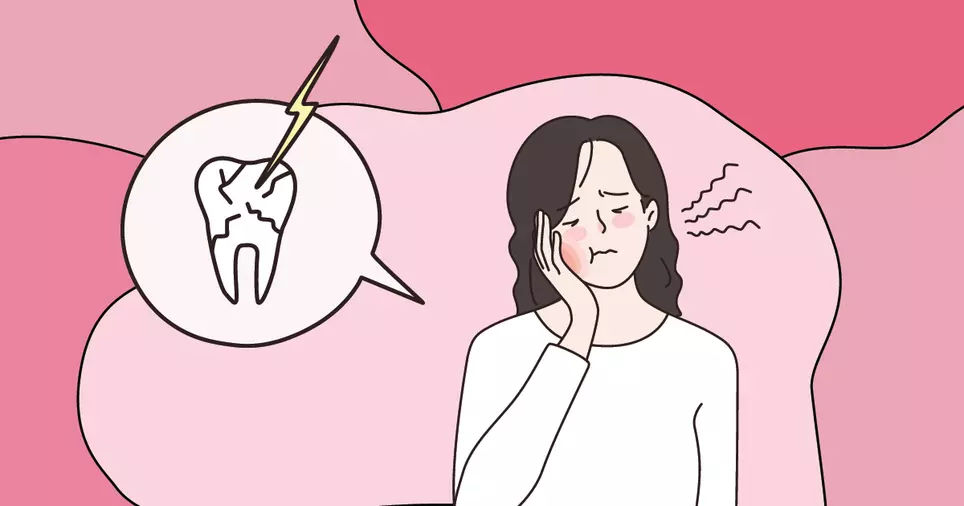
Between 42% and 94% of people with fibromyalgia also experience TMD. That's a striking number! TMD refers to discomfort and functional problems with the jaw joint, the muscles that move your jaw, and surrounding areas like the neck and ears. Common symptoms linked to fibromyalgia and TMD include:
- Aching or throbbing in the jaw
- Tenderness in the chewing muscles (cheeks)
- Neck muscle pain and stiffness
- Headaches
- Jaw locking
One contributing factor is bruxism — teeth clenching and grinding — which is often triggered by anxiety, a very common fibromyalgia symptom. As one MyFibroTeam member shared, grinding from stress can set off significant facial nerve pain. It's worth knowing that standard dental treatments for TMD, like occlusal splints (mouth guards), may be less effective for people with fibromyalgia. Targeted massage tends to work better.
Seeking early dental care is important. A dental specialist can:
- Catch issues before they worsen
- Adjust treatments to suit fibromyalgia needs
- Refer you to physical therapists for jaw and neck exercises
- Connect you with mental health support to manage anxiety-related grinding
May 21
I have this too, I didn’t have it prior. I have read it is common with fibromyalgia.
May 23






 Join
Join





 Your Privacy Choices